Whoa! I remember the first time I held a hardware wallet and felt oddly calm. It wasn’t just the device — it was the promise that my private keys were offline and under my control. But then staking, NFTs, and the whole DeFi wave complicated things fast. Seriously? people think a cold wallet alone solves everything.
Staking is attractive. You earn yield while helping secure a network, which sounds like free money to many. Initially I thought staking from a hardware wallet would be risk-free, but then I learned about signing operations and delegation keys, and realized the attack surface changes in subtle ways when you authorize on-chain actions. There’s a big difference between holding coins and approving a validator to act on your behalf. On one hand staking from a Ledger can keep your private keys offline; on the other hand you still need to approve transactions that might be complex or malicious if you aren’t careful.
NFTs changed the game for custody and approvals, and that surprised me. They’re not just images; they’re contracts that can request approvals, and that permission model is where many wallets trip up users. My instinct said don’t blindly approve anything, but I get why people rush—FOMO is real. I once almost approved a drainable contract because the UI masked the allowance step. Whoa!
Private keys are the core of custody and they deserve respect. Hardware wallets keep them isolated, signing transactions inside a sealed environment so the seed never touches the internet. Actually, wait—let me rephrase that: the seed stays offline, but devices still interact with software that displays details, and that software is the weak link if you don’t verify outputs manually or don’t use companion apps that minimize attack surface. On one hand a secure element and attestation help; on the other hand social engineering and fake updates remain real threats. Here’s the thing.
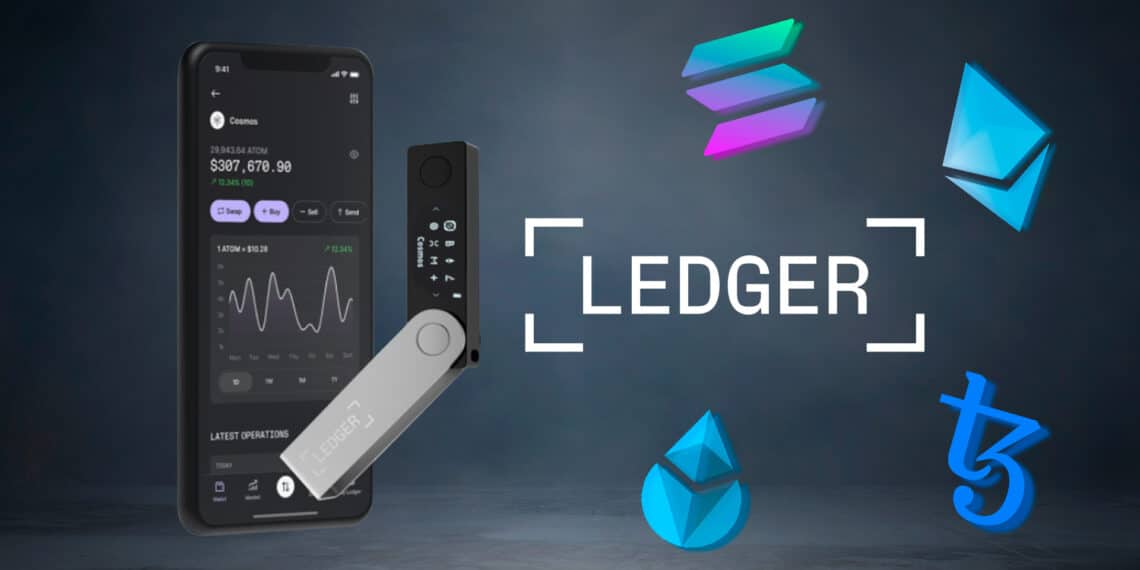
Many vendors pair hardware devices with desktop or mobile companions to manage staking and NFTs. I prefer tools that minimize prompts and show explicit transaction fields. I use Ledger devices and often open ledger live to check operations before signing, because that app surfaces the details you need to review. That habit has saved me from sloppy approvals more than once. Seriously?
Cold staking, delegation, and the small print
Cold staking can be a neat work-around for some chains. It lets you keep keys offline while delegating consensus power, but each blockchain implements it differently, so assumptions are dangerous. Validators, slashing, lockup periods—these terms aren’t just jargon. You can earn APY, yes, but payouts, minimums, and risks vary widely. Hmm…
Hardware wallets can store keys for NFTs, but they don’t store the art. Ownership is on-chain; the wallet only proves control of the key associated with the token contract. That subtle separation matters when platforms show misleading provenance or bundling offers. I get anxious when marketplaces request blanket approvals to move all tokens. Really?
Best practices are practical and sometimes boring. Use separate accounts for staking, trading, and holding long-term. Keep a small hot wallet for everyday interactions and your main stash in a hardware device, possibly preferring an air-gapped workflow for the largest holdings so transactions are signed on a disconnected machine. Write down your recovery phrase—the paper and the experience of restoring once builds muscle memory for the process. I’m not 100% dogmatic, but multiple backups reduce single-point failure risk.
Firmware matters a lot for device integrity. Only update from official sources and verify signatures when you can. On the other hand phishing sites clone update pages, so always check URLs and confirmations and prefer reinstalling through verified companion apps rather than clicking random links. If a site asks you to paste your seed or enter it into a webpage, close it immediately. Don’t ever enter seeds into browsers.
Social engineering is stealthy. Attackers impersonate support, push fake recovery scripts, or convince you to confirm a malicious transaction in the moment. Initially I trusted well-crafted emails, but then a call convinced me otherwise. On one hand vigilance helps; on the other hand it can become paralyzing if you obsess over every prompt. Here’s what I do—I limit approvals and re-check transaction payloads.
For large sums consider multi-sig. It splits control and removes a single-point-of-failure, which is valuable for families or DAOs. Passphrases add plausible deniability but also increase complexity and the risk of losing access if you mismanage them. Air-gapped signing remains the gold standard when you can maintain it, though it’s inconvenient. I recommend a tested recovery drill, because retrieving funds under stress is harder than you expect.
Okay, so check this out—if you’re after maximum security, treat hardware wallets as a platform rather than a button you press and forget, because they require behavior changes and small habits that matter more than any sticker or logo. I’ll be honest, some parts are annoying and they slow you down. But when you combine cautious approval habits, dedicated accounts, firmware verification, and occasional audits of your staking and NFT approvals, the probability of a catastrophic loss drops materially. I’m biased, sure, but I sleep better knowing those layers are in place.
Common questions from people trying to secure crypto
Can I stake directly from a hardware wallet safely?
Yes, but with caveats. Use the wallet’s recommended flow, verify every detail on-device, choose reputable validators, and understand lockup and slashing rules before committing funds.
Do hardware wallets store the actual NFTs?
Nope — they store the keys that control the NFTs. The tokens and metadata live on-chain or on IPFS, so your device proves control rather than hosting the artwork itself.
What’s the single best habit to avoid getting drained?
Verify transaction details on the device screen, use dedicated accounts for risky interactions, and never paste your seed anywhere. Also, keep a small hot wallet for day-to-day stuff — it helps limit exposure.